
Described as “prose snapshots,” each of the stories in this evocative, wide-ranging collection captures significant or telling moments, encounters, or observations in 50 words or fewer. Together, they add up to something far greater than the sum of their parts, creating a rich, layered portrait of the human experience.
Coping with trauma or loss
In this inventive and affecting novel, the barriers between the real world and the worlds of the imagination, magic, and folklore become porous at best and sometimes dissolve altogether. As disorienting as these breaks with reality are for the couple at the center of the story, Adrian Dussett and Ben Hughes, they ultimately prove revelatory, pushing Adrian and Ben to confront personal difficulties that have troubled them for years and created a divide in their relationship.
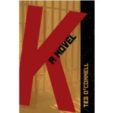
K: A Novel offers a gripping, nuanced exploration of how imprisonment tests a writer–mentally, physically, and morally. Just as compelling is how the novel conveys the writer’s need for self-expression, which never diminishes, even under the most trying circumstances.
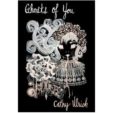
In so many stories of women’s murders, both fictional and nonfictional, the emphasis is on the crime and killer, with the women portrayed as little more than victims. Often, we get little sense of who they were and how their loss affects their friends, loved ones, or the wider community. Cathy Ulrich’s arresting new story collection, Ghosts of You, turns this narrative frame on its head, resulting in fiction that is, by turns, haunting, thought-provoking, and deeply moving.
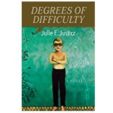
In her absorbing début novel, Degrees of Difficulty, Julie E. Justicz offers a powerful, nuanced, and multidimensional portrayal of the struggles of caring for a profoundly disabled family member, and of the lasting consequences for everyone involved.
At the center of the novel is Ben Novotny, born with a chromosomal disorder that results in severe mental disability and a susceptibility to frequent, life-endangering seizures. Over the years, the demands of his care exact a steep toll on both of his parents, Caroline and Perry, but they react to the stress in markedly different ways.
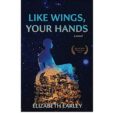
In many coming-of-age novels, parents are absent, literally or figuratively. But one of the many distinctions of Elizabeth Earley’s dazzling and incisive new novel, Like Wings, Your Hands, is the interconnectedness of the two central characters: fourteen-year-old Marko and his mother, Kalina. Despite this close connection, Kalina remains a mystery to Marko, a frustration that leads him to make transformative discoveries about her, himself, and a grandfather he’s never met.