
Duet for One is a profound and multilayered meditation on love, loss, and grief, with a passion for music resonating throughout. With empathy and insight, the novel also explores the complicated relationships within one musically talented family.

Duet for One is a profound and multilayered meditation on love, loss, and grief, with a passion for music resonating throughout. With empathy and insight, the novel also explores the complicated relationships within one musically talented family.
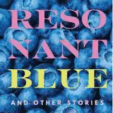
In these perceptive, richly observed stories, characters arrive at major turning points in their lives through conflicts in relationships or other circumstances, often leading them to a greater understanding of themselves and those close to them. Taken together, the stories offer a layered examination of how people can find ways to live with emotionally complex and difficult situations and, perhaps, imagine new possibilities for themselves.

As a former journalist, and as a citizen who is deeply concerned about the multiple threats facing the news media today, I was heartened and moved by Sunshine Girl, which can be seen as an extended tribute to the reporters and editors who devote long hours to shedding light on issues that would otherwise be overlooked, or actively hidden from view. With depth and feeling, the novel also explores the struggles of a family with close ties to the news business.

The stories in this unflinchingly frank and emotionally resonant collection explore multiple effects of the traumas that women face, whether from abusive or emotionally absent partners, from the physical or psychological strains of motherhood, from sexual harassment, or from threatened or enacted violence. In doing so, the stories shed an unsparing light on individual women’s fears, struggles, and anxieties and on the root causes of their traumas. The result is a haunting and deeply relevant collection, one that often indicts the larger culture.

As we approach or make our way through middle age, many of us ask some difficult questions of ourselves: Are we truly living the life our earlier selves envisioned? What dreams, or great loves, did we abandon–or not even give a real chance? This perceptive, emotionally complex, and often-heartrending novel grapples with these questions and more, while also suggesting that new possibilities aren’t just for the young.

In the Acknowledgments section of this deeply felt and thoughtfully crafted book, the author, Beth Kephart, writes: “Tomorrow Will Bring Sunday’s News begins with truth. It extends through fiction.” The truth consists of fragmented details of the life of her grandmother, Margaret Finley D’Imperio, who died on October 30, 1969, when Kephart was nine. “She was the great love of my life,” Kephart writes. “She was a mystery.”
Kephart observes that decades after Margaret’s death, her brother arrived one Thanksgiving with “a box that included a handful of long-lost pages–family genealogy, notes from my mother’s cousin. … My Aunt Miriam’s few spare pages suggest the contours of my grandmother’s life”–for example, her favorite song and her employment at the Fleisher Yarn Company in Philadelphia. Yet at the time of the box’s arrival, so much about Margaret remained unknown, a deficiency that Kephart overcomes, to great effect, in the pages of Tomorrow Will Bring Sunday’s News.
Kephart immerses us in the vividly imagined life of Margaret (known mostly as Peggy in the book) and in scenes from Philadelphia at the time of the First World War, when Peggy was a teenager and at a turning point in her life. In the process, Kephart makes us care deeply about Peggy’s loves, dreams, and fears, creating a work that stands as a profound gesture of love for both her grandmother and the city of Philadelphia.