

This richly layered deep dive of a novel explores the ways in which a profound loss can more than just shatter the lives of the bereaved; it can significantly challenge their closest relationships, and in some cases reshape their beliefs about how to make sense of the world, and of all the complications that life delivers to us.
Book Reviews
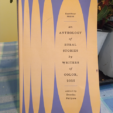
This anthology, now in its third edition, offers a variety of captivating tales, from the darkly inspiring to the delightfully strange. Collectively, the stories explore a range of themes–for example, the importance of community and familial bonds, the power of resistance, the essential nature–and fragility–of love, the long shadow of loss, and the burden of feeling like an outsider, in society at large or within one’s own family or social circle.
This poignant and quietly revelatory novella explores how we can never fully escape our past, and how fully confronting it may offer the opposite of comfort or deliverance. Still, the main character’s trajectory suggests that such reckonings, harrowing though they may be, might offer striking moments of clarity.
A couple of years ago, I had the pleasure of interviewing Darrin Doyle about his spellbinding horror novella, Let Gravity Seize the Dead. When I learned that Doyle’s highly praised story collection, The Dark Will End the Dark, had been released in a revised tenth-anniversary edition, I was eager to read it–and it didn’t disappoint.
It’s more than fitting that this witty, off-beat, and entertaining ride of a novel begins in–and sets more than a few scenes in–a bar. As the protagonist, Charley Hull, tells the often-hilarious, sometimes downhearted, always adventurous tale of searching for his next act in life, it’s like being seated next to the best storyteller at the local pub.
With emotional depth and arrestingly beautiful prose, this collection of linked stories examines the ways in which those who’ve been orphaned–literally or metaphorically–are supported or let down as they try to make their way forward. Even if they have family or have come under the care of supposedly supportive people or institutions (for example, doctors, teachers, schools, and other institutions), these orphans may fail to thrive. But every now and then, guardian figures try to make a difference in their lives, or so it seems. Yet those efforts are never uncomplicated.